
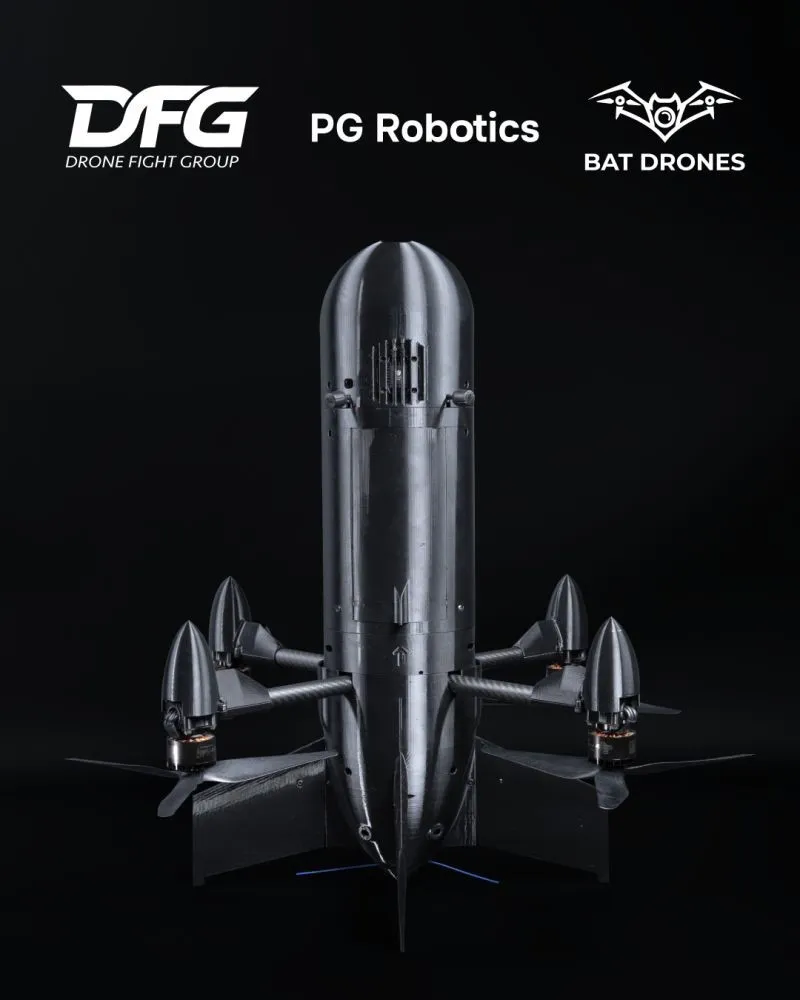
Ukraine counters mass Shahed/Geran-2 drone attacks primarily with low-cost FPV interceptor drones, flown by pilots tracking targets on monitors or in goggles. That’s backed by systems like the JEDI Shahed Hunter (40km protection radius, day/night imaging). Newer jet-powered Shahed variants reaching 500-600 km/h have pushed Ukraine toward jet-powered interceptor drones and even naval-launched interceptors, still undergoing combat testing as of August 2026.
Why does Ukraine need drones to shoot down other drones?
Shahed-136 and its Russian-built variant, Geran-2, are cheap enough to launch in large numbers. That makes traditional air defense — surface-to-air missiles costing far more than the drone they’re shooting down — an economically losing proposition at scale. Interceptor drones cost closer to what they’re intercepting, making mass defense financially sustainable.
What is the JEDI Shahed Hunter?
The JEDI Shahed Hunter is a Ukrainian-made interceptor system authorized for operational use, able to automatically acquire, track, and home in on a target. It carries both daylight and thermal imaging cameras for day and night operation. It can protect airspace within a roughly 40km radius.
How do FPV interceptor pilots actually do this?
Ukraine has built thousands of low-cost interceptor drones flown by pilots either watching a monitor feed or wearing first-person-view goggles, guiding the interceptor into the incoming Shahed before it reaches its target. It’s a manually-intensive, high-volume approach matched to the scale of the threat. Mass drone raids require mass interception capacity, not a handful of exquisite systems.
What’s new in 2026?
Two developments stand out. First, naval-based interception: Ukraine’s Unmanned Systems Forces reported launching a “Sting” interceptor drone from an unmanned surface vessel to shoot down a Shahed, extending interception coverage over water approaches. Second, and more urgent, Russia’s newest Geran variants reach jet-powered speeds of 500-600 km/h — fast enough that Ukraine’s existing propeller-driven interceptors struggle to catch them. Jet-powered interceptor drones, including a system reported as “Cyclops,” are undergoing combat testing as of mid-August 2026 specifically to close that speed gap.
For background on the drone being intercepted, see our Shahed-136 database entry.
Sources: Breaking Defense, Breaking Defense on naval interception.