Understanding airspace authorization is crucial for any drone operator. Complying with regulations ensures safety, efficiency, and legality in your UAV operations. With a surge in drone usage across various sectors, knowing how to navigate airspace requirements becomes increasingly significant.
The Importance of Airspace Authorization
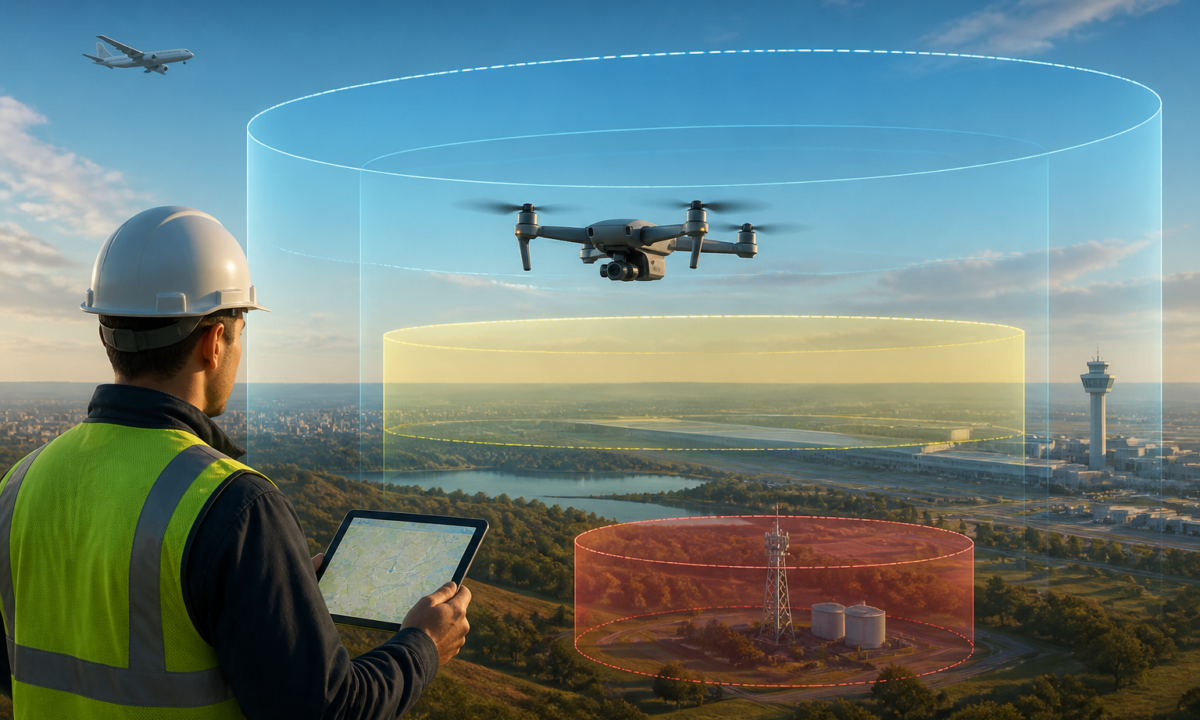
Airspace is categorized into different classifications, each with specific rules governing drone flight. Authorization is necessary to ensure that commercial drone activities do not interfere with manned aviation or pose safety risks. Failing to obtain proper authorization can lead to legal consequences and threaten the integrity of the airspace system.
Types of Airspace and Their Regulations
Drone operators must familiarize themselves with different types of airspace and their associated regulations. The Federal Aviation Administration (FAA) classifies airspace into several categories:
- Class A: Generally for high-altitude flights, requires pilot certification and ATC clearance.
- Class B: Surrounds major airports, requiring specific authorization. Drones are generally not permitted without this.
- Class C: Moderate airspace around airports; requires authorization unless flying below a certain altitude.
- Class D: Near smaller airports; requires communication with Air Traffic Control (ATC).
- Class E: Controlled airspace that may not require prior authorization if flying below certain altitudes.
- Uncontrolled Airspace (Class G): Generally unrestricted, but operators should still practice caution.
How to Obtain Airspace Authorization
Securing airspace authorization can be straightforward if you follow these steps:
- Identify Your Flight Location: Use GIS tools or apps to determine the airspace classification where you plan to operate.
- Check FAA Regulations: Consult the FAA database or a drone operation app to understand the specific requirements for your location.
- Apply for Authorization: Utilize the FAA’s online application system if you need to enter restricted airspace, such as in Class B or C zones.
- Receive Approval: Wait for a confirmation email indicating whether your request is approved or if additional steps are needed.
- Maintain Documentation: Keep all authorization documents handy to present them to authorities if required during your operations.
Tools and Technology for Authorization
Several tools and technologies can simplify the authorization process for drone operators. These include:
| Tool | Description | Benefits |
|---|---|---|
| Airmap | A mobile app that provides airspace notifications and allows for seamless authorization requests. | Real-time information and ease of use. |
| Skyward | A management platform that offers airspace insights and operational planning. | In-depth analytics and compliance tracking. |
| UAV Forecast | A weather and airspace app that indicates if it’s safe to fly. | Helps plan flights based on environmental factors. |
What This Means for Drone Operators
Compliance with airspace authorization is not just regulatory; it’s also a matter of operational integrity and safety. Staying up-to-date with the rules reduces the risk of accidents, enhances public perception of drone operators, and promotes an environment of trust between aviation authorities and UAV users. Additionally, as drone technology continues to evolve, staying informed on regulatory changes will be essential for sustainable operations.
Conclusion
In navigating airspace authorization requirements, drone operators play a critical role in maintaining safety and efficiency within the National Airspace System. By understanding airspace classifications, utilizing the right tools, and following the established procedures for obtaining authorization, UAV operators can significantly minimize risks and contribute to a more organized aerial environment.