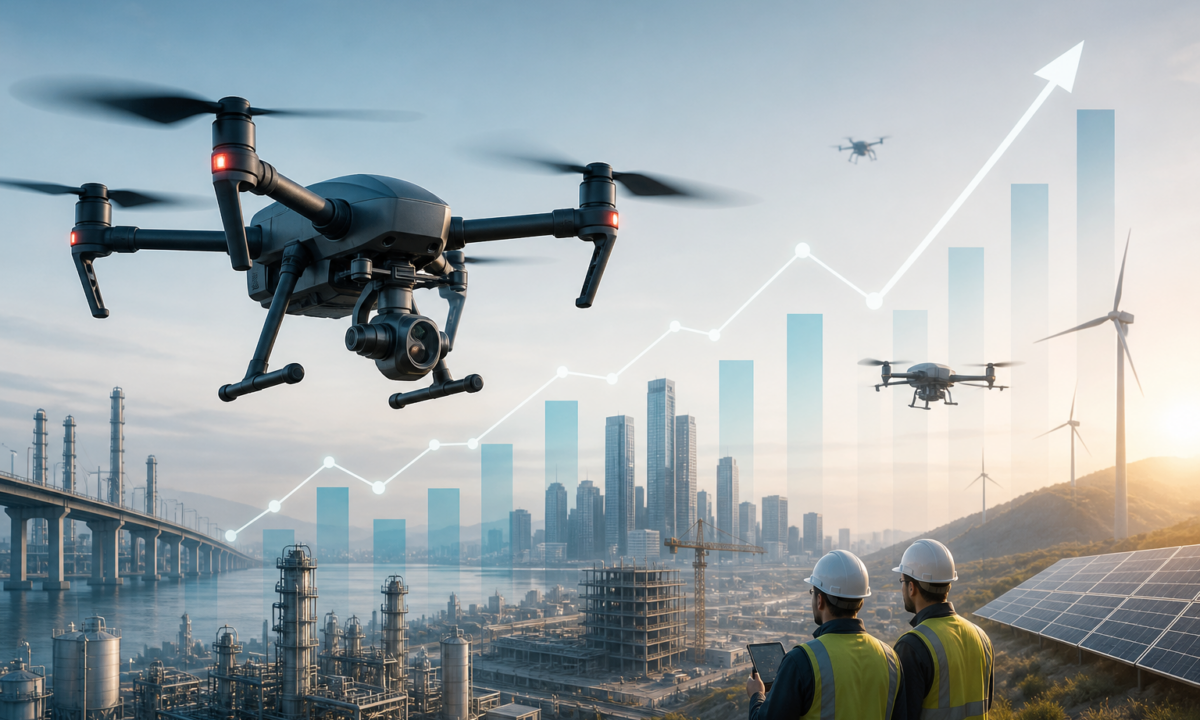
The commercial drone industry is on the cusp of a significant transformation as we approach 2026. As demand for aerial services continues to rise across various sectors—from agriculture to logistics—the costs associated with commercial drone services are also expected to experience noteworthy shifts. Understanding these trends is not just an academic exercise; it’s essential for businesses considering the deployment of drone technology and for policymakers crafting regulations to support sustainable growth in this sector.
Forecasting Service Costs by 2026
As technology advances, the cost of commercial drone services tends to fluctuate based on several factors, including technological improvements, regulatory developments, and market demands. By 2026, analysts project that the average cost of drone services will vary considerably across different sectors:
| Sector | Current Average Cost (2023) | Projected Average Cost (2026) |
|---|---|---|
| Agriculture | $200 – $500 per acre | $150 – $400 per acre |
| Construction | $100 – $300 per site survey | $80 – $250 per site survey |
| Logistics | $50 – $200 per delivery | $40 – $150 per delivery |
| Aerial Photography | $300 – $750 per session | $250 – $700 per session |
Technological Innovations Driving Costs Down
The future of commercial drones is being shaped by rapid technological advancements. Improved battery life, enhanced sensors, and more robust software solutions are leading to higher efficiency and lower operational costs. For instance, advancements in AI and machine learning allow drones to perform complex tasks with minimal human intervention, thereby reducing labor costs. As these technologies become more mainstream, businesses can expect prices for drone services to decrease.
Regulatory Impacts on Cost Structure
Regulation is another critical factor influencing costs in the drone industry. By 2026, the Federal Aviation Administration (FAA) and other governing bodies are expected to clarify rules surrounding commercial drone operations. Streamlined regulations could reduce compliance costs, allowing operators to offer more competitive pricing. However, rigorous safety standards might also impose additional costs, impacting overall service pricing.
Market Demand and Competition
The burgeoning demand for drone services is pushing companies to innovate and compete aggressively. As more players enter the market, including new startups and established tech firms, prices may be driven down due to competition. Additionally, sectors like agriculture and logistics are increasingly adopting drone technology, further enhancing demand and refining service offerings.
What This Means for Stakeholders
For drone operators, the evolving cost landscape presents both challenges and opportunities. As operational costs decline, profit margins may tighten, necessitating a focus on specialization or ancillary services to maintain profitability. Buyers should remain vigilant about technological developments and regulatory changes, as these factors will significantly impact pricing and service availability. Policymakers must ensure that regulatory frameworks appropriately balance safety and innovation to promote a thriving commercial drone ecosystem.
In summary, as we move toward 2026, stakeholders in the commercial drone industry will need to navigate a complex landscape shaped by technological, regulatory, and market influences. Understanding these dynamics will be vital for making informed decisions in a rapidly evolving marketplace.