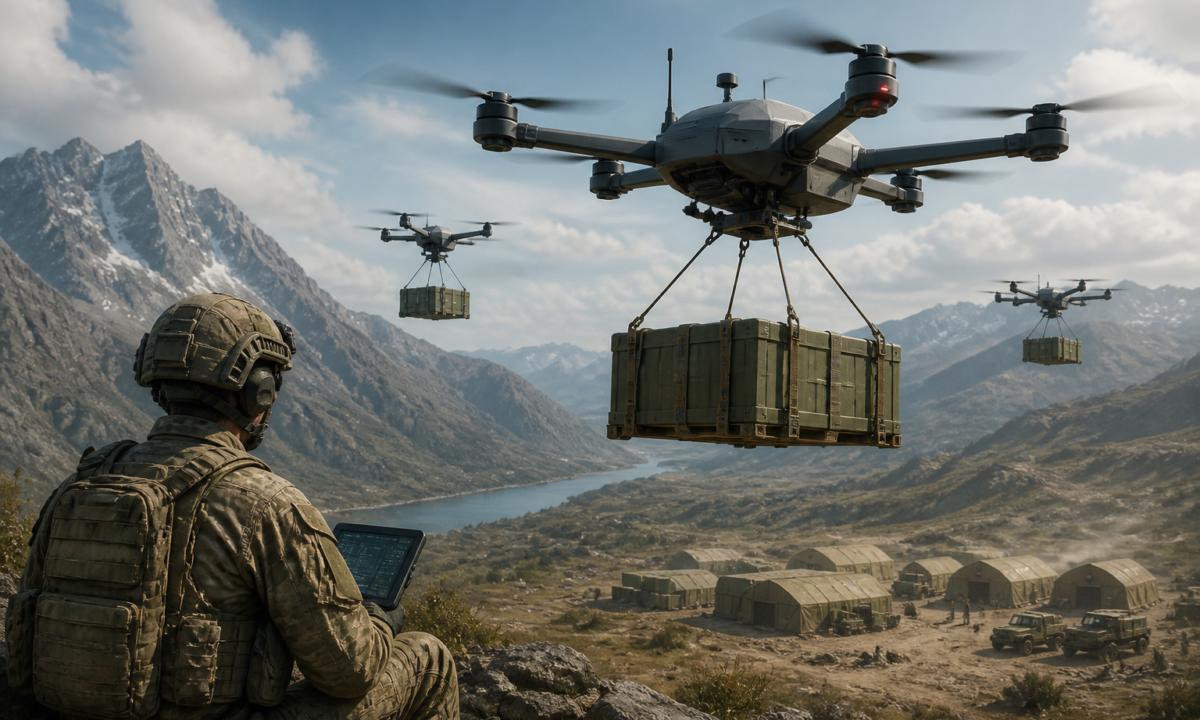
Autonomous drones are revolutionizing military operations, particularly in the realm of resupply missions. By automating the transport of essential supplies and equipment, military forces can enhance their operational efficiency, reduce risks to personnel, and maintain logistical support in challenging environments. As conflicts evolve and technology advances, integrating UAVs for military resupply is becoming not just advantageous but essential.
The Evolution of Military Resupply Operations
Historically, military resupply operations relied on ground convoys and manned aircraft, which pose risks such as ambushes, mechanical failures, and adverse weather. Convoys can be slow and vulnerable, while manned aircraft require significant personnel resources and face operational limits. The advent of autonomous drones offers a paradigm shift, enabling quicker, safer, and more flexible resupply routes. These UAVs can operate in hazardous areas without risking human lives, allowing for timely delivery of critical supplies.
Advantages of Autonomous Drones in Resupply Missions
-
- Speed: Drones can cover ground rapidly, significantly reducing the time required to deliver supplies.
-
- Cost-Effectiveness: With lower manpower needs, drone operations reduce overall costs associated with resupply missions.
-
- Flexibility: UAVs can maneuver around obstacles and adapt routes in real-time, ensuring that supplies reach their destinations faster.
-
- Reduced Risk: Utilizing drones minimizes human exposure to dangers, such as enemy combatants or environmental hazards.
Current Implementations of UAVs in Military Resupply
Various armed forces around the globe are experimenting with and implementing autonomous drones. For instance, the U.S. Army has tested the RQ-7 Shadow drone for tactical resupply missions. Similarly, the French Army has employed the Parrot Anafi for small payload deliveries. These applications not only demonstrate feasibility but also provide insights into the operational advantages UAVs can deliver.
Challenges and Considerations
While the benefits are clear, several challenges must be addressed to fully integrate autonomous drones into military operations. Key considerations include:
-
- Regulatory Compliance: Drones must adhere to existing aviation regulations and military guidelines to operate safely.
-
- Technological Reliability: UAVs must be robust enough to handle various conditions and environments without failure.
-
- Interoperability: Effective communication between drones and existing military infrastructure is essential for operational success.
-
- Security Risks: Protecting drones from hacking or jamming attacks is crucial, as compromised UAVs pose significant risks.
The Future of Military Resupply with Drones
The future holds immense potential for autonomous drones in military resupply. With advancements in artificial intelligence, drones will become more capable of making real-time decisions, optimizing routes, and improving load management based on mission priorities. Enhanced sensor technologies will further augment operational capacity, allowing drones to perform resupply missions under complex conditions and maintain supply chain integrity in dynamic battlefields.
Implications for Stakeholders
For drone operators and military buyers, understanding the integration of UAVs into resupply operations implies a need for robust training programs and investment in technology. Policymakers should focus on creating regulatory frameworks that support innovation while ensuring safety. The overall trend emphasizes the necessity of collaboration between military and technological sectors to harness the full potential of UAVs in national defense strategies.
Summary
As military operations increasingly rely on autonomous technologies, integrating drones into resupply missions offers strategic advantages. While challenges remain, the trajectory points towards widespread adoption and continual advancement, positioning UAVs as a cornerstone of modern warfare logistics.
Sources