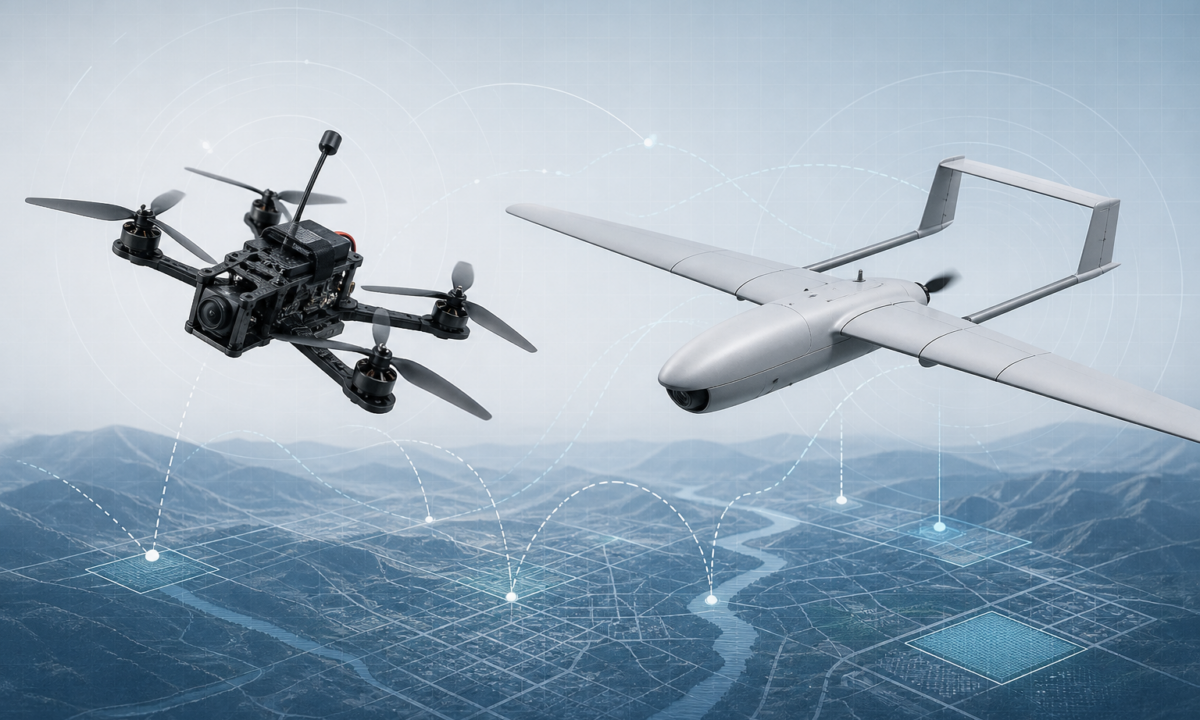
When analyzing the tactical advantages and applications of First-Person View (FPV) drones versus loitering munitions, it becomes evident that both technologies serve distinct roles in modern warfare and surveillance missions. Their differences not only stem from their designs but also from their intended purposes, operational methodologies, and effectiveness in various combat scenarios.
Understanding FPV Drones
FPV drones allow operators to fly the aircraft in real-time using a camera feed, providing an immersive experience analogous to being in the cockpit. Primarily utilized for reconnaissance, surveillance, and target acquisition, FPV drones are favored for their agility, ease of use, and relatively low cost. They are often employed for tasks requiring detailed observation without direct engagement.
The Role of Loitering Munitions
Loitering munitions, often referred to as “kamikaze drones,” are designed for targeted strikes against high-value or time-sensitive targets. They combine the capabilities of a drone with those of precision-guided munitions, allowing them to hover over a target area and engage threats when optimal conditions arise. Strategically, loitering munitions offer a decisive strike option that can reduce collateral damage compared to traditional missile systems.
Tactical Advantages of FPV Drones
-
- Cost-effectiveness: FPV drones generally have a lower procurement and operational cost.
-
- Data gathering: Their ability to conduct real-time surveillance makes them invaluable for intelligence and reconnaissance.
-
- Versatility: Adaptable for various missions—from combat to search and rescue.
-
- Simplicity of use: Operators can quickly learn to pilot FPV drones with minimal training.
Tactical Advantages of Loitering Munitions
-
- Precision targeting: Enhanced capabilities to strike specific targets while minimizing collateral damage.
-
- Sustained presence: These munitions can loiter for extended periods, allowing for engagement based on real-time battlefield conditions.
-
- Integrated weaponry: Equipped with explosives, they can deliver lethal force directly against enemy assets.
-
- Deterrent effect: The presence of loitering munitions can deter enemy movements, providing a psychological edge.
Comparison Table
| Feature | FPV Drones | Loitering Munitions |
|---|---|---|
| Primary Use | Surveillance and reconnaissance | Precision strikes |
| Cost | Lower | Higher due to weaponry |
| Operator Training | Minimal | More advanced training required |
| Range | Variable, typically limited | Significantly further |
| Payload | Typically non-lethal | Lethal payload equipped |
Implications for Drone Operators and Policymakers
The choice between FPV drones and loitering munitions is not merely technological but strategic. Drone operators must assess mission requirements carefully to select the appropriate option. FPV drones offer flexibility and adaptability for intelligence-gathering missions and can be vital in civil applications such as infrastructure inspection. Conversely, military planners and policymakers need to consider the ethical implications and regulations surrounding loitering munitions, especially regarding their deployment in conflict zones.
In conclusion, both FPV drones and loitering munitions present valuable capabilities in contemporary operations. The decision to utilize one over the other should hinge on mission objectives, budget constraints, and the operational environment. A nuanced understanding of their tactical advantages ensures that military and civilian operators can make informed decisions to best meet their needs.
Sources