
When it comes to selecting a commercial drone service provider, the choices can be overwhelming. With a growing number of companies in the market, ensuring you make an informed decision is critical. The right provider can enhance efficiency, reduce costs, and improve data accuracy across various applications. Here are ten essential questions to guide your selection process.
1. What is Your Experience in the Industry?
Experience is crucial in the UAV industry due to the complexity of regulations and the technical nature of drone operations. Ask the provider how long they have been in business and whether they have completed projects similar to yours. A well-established company is more likely to have a proven track record of reliability and effectiveness.
2. What Certifications and Licenses Do You Hold?
Ensure that the provider is compliant with local regulations such as FAA Part 107 in the United States. Ask for copies of their pilot’s certificates, insurance policies, and any other relevant credentials. This will give you peace of mind and confirm they are operating within legal parameters.
3. What Equipment and Technology Do You Use?
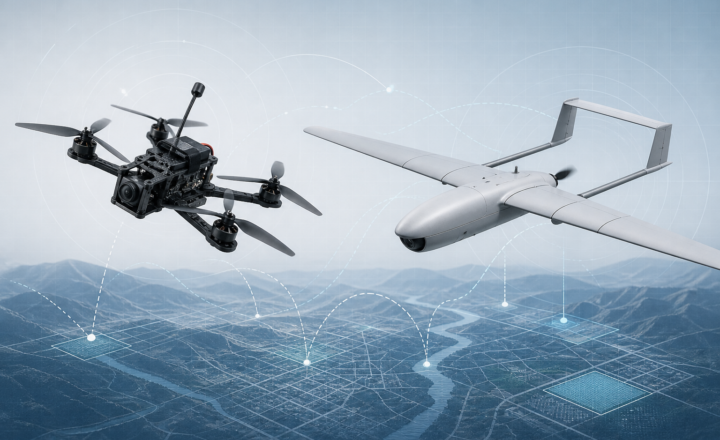
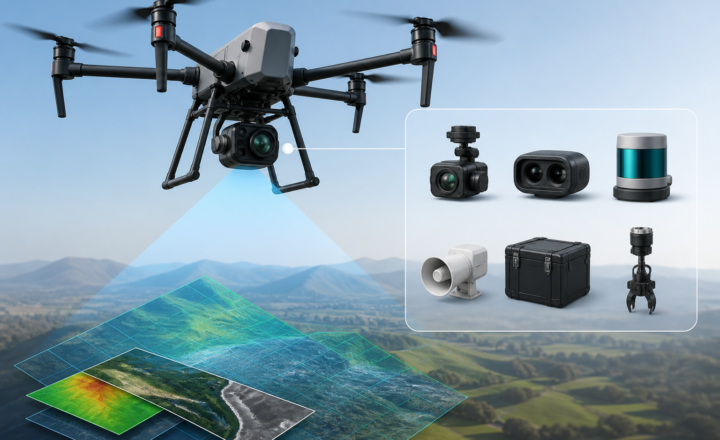
The type of drones and technology used can significantly affect the quality of the services offered. Inquire about the models they utilize, their payload capacities, and any particular technologies they leverage, such as thermal imaging or LiDAR. Understanding their equipment will help you gauge whether they can meet your specific needs.
4. How Do You Ensure Safety and Risk Management?
Safety should be a top priority in drone operations. Ask about their safety policies, risk management protocols, and any safety training provided to their operators. A robust safety framework minimizes the risk of accidents and liabilities.
5. What is Your Approach to Data Management?
How a provider manages and delivers data is critical. Inquire about their data collection methods, processing techniques, and how they ensure data integrity and confidentiality. Effective data management can lead to valuable insights and better decision-making.
6. Can You Provide References from Previous Clients?
Checking references can provide insight into a provider’s reliability and service quality. Ask for contact information for past clients and follow up with them to learn about their experiences. Look for feedback that highlights responsiveness, quality of work, and overall satisfaction.
7. What Are Your Pricing Models and Contract Terms?
Understanding the cost structure is essential for budgeting. Discuss the pricing models they offer—whether it be hourly rates, project-based fees, or subscription services. Additionally, clarify contract terms, cancellation policies, and any potential hidden fees.
8. How Do You Handle Challenges or Unforeseen Issues?
In any project, issues can arise. Ask the provider about their protocols for addressing unexpected challenges, including technical difficulties or weather disruptions. A reliable provider should have contingency plans in place to ensure project continuity.
9. What Are Your Turnaround Times?
Timeliness can be critical, especially in industries like construction or agriculture where deadlines are tight. Ask the provider about their turnaround times for both data collection and reporting. Understanding their operating pace helps set realistic expectations.
10. Are You Open to Collaboration and Customization?
Every project is unique, so it’s vital that the service provider is open to working collaboratively to meet your specific requirements. Discuss how they approach customization of their services and their willingness to adapt to client needs.
Conclusion
Choosing the right commercial drone service provider requires thorough research and careful consideration. By asking these ten essential questions, you can make an informed decision that aligns with your goals and ensures a successful project outcome.
For drone operators, this selection process highlights the importance of understanding industry standards and safety regulations, facilitating better alignment with service providers. Buyers can leverage this knowledge to assess potential partnerships effectively, while policymakers can appreciate the focus on compliance and safety standards in the UAV industry.