
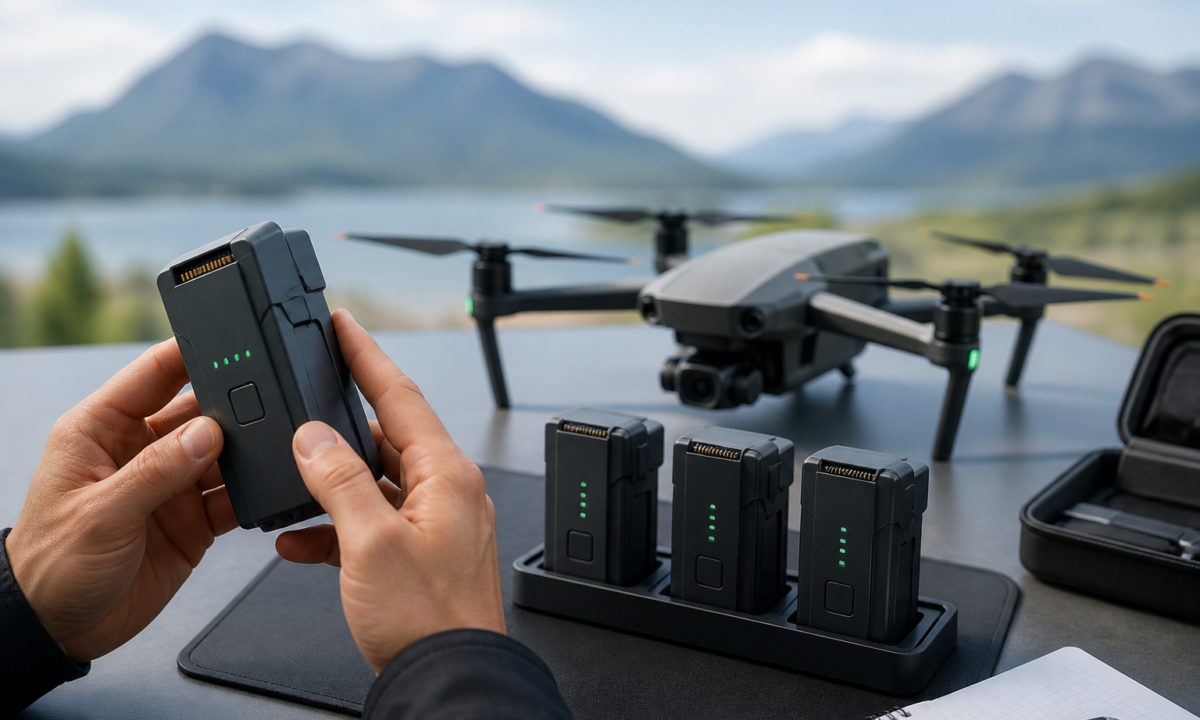
Accurately evaluating drone flight battery health is crucial for ensuring optimal performance and safety during operations. A well-maintained battery not only extends the life of your drone but also enhances flight efficiency and reliability, preventing unexpected failures that could lead to crashes or loss of equipment.
Understanding Battery Chemistry and Lifespan
The health of a drone battery largely depends on its chemistry, typically lithium-polymer (LiPo) or lithium-ion (Li-ion). Each battery type has its own characteristics regarding charge cycles, lifespan, and degradation patterns. Understanding these can help you gauge the health of your battery:
- LiPo Batteries: Generally, they are lighter and provide higher discharge rates, often used in racing and recreational drones. They tend to degrade more quickly when stored improperly.
- Li-ion Batteries: These are commonly found in consumer drones. They have a longer lifespan and better longevity, but may have lower discharge rates compared to LiPo batteries.
Key Indicators of Battery Health
There are several metrics and signs to consider when evaluating battery health:
- Cycle Count: This refers to the number of full charge and discharge cycles the battery has undergone. Most drone batteries are rated for a specific number of cycles, generally ranging from 300 to 500. Regularly monitoring cycle count can alert you to when a replacement is necessary.
- Voltage Levels: Check individual cell voltages. A healthy battery should have similar voltage levels across all cells. If one cell consistently shows lower voltage, it may indicate damage or degradation.
- Physical Inspection: Regularly inspect the battery for swelling, punctures, or corrosion. Any physical damage can compromise battery performance and safety.
- Charging Time: If you notice significant changes in how long it takes to charge or discharge the battery, this can be an indicator of reduced capacity.
- Temperature During Use: Overheating can indicate a failing battery. While all batteries get warm during operation, excessive heat may be a sign of issues.
Conducting Regular Maintenance Checks
To ensure the longevity and performance of your drone battery, regular maintenance checks are essential. Here is a simple checklist:
| Task | Frequency | Notes |
|---|---|---|
| Visual Inspection for Damage | Before each flight | Check for swelling or punctures. |
| Measure Voltage Levels | Weekly | Use a multimeter to check individual cell voltages. |
| Record Cycle Count | Monthly | Log battery cycles to anticipate replacement. |
| Temperature Check | After each flight | Ensure battery doesn’t exceed normal operating temperatures. |
Best Practices for Charging and Storage
Proper charging and storage of your drone battery play a significant role in its overall health:
- Charger: Always use the manufacturer-recommended charger to prevent damage.
- Storage Voltage: If not used for a while, store batteries at around 3.7V–3.8V per cell to prolong lifespan.
- Environment: Keep batteries in a cool, dry place to avoid temperature extremes that can cause damage.
- Regular Use: Try to use the battery at least once a month to keep it active.
What This Means for Drone Operators
For drone operators, understanding battery health is not just a technical issue but a matter of safety and efficiency. Proper evaluation and maintenance can prevent costly downtime, enhance flight performance, and ensure compliance with operational safety standards. Being proactive about battery health can also save money in the long run, as extending battery life reduces the need for frequent replacements.
Conclusion
Taking the time to evaluate and maintain the health of your drone’s battery should be a priority for any serious operator. By understanding battery chemistry, monitoring key health indicators, conducting regular maintenance, and following best practices for charging and storage, you can maximize your drone’s operational life and performance.