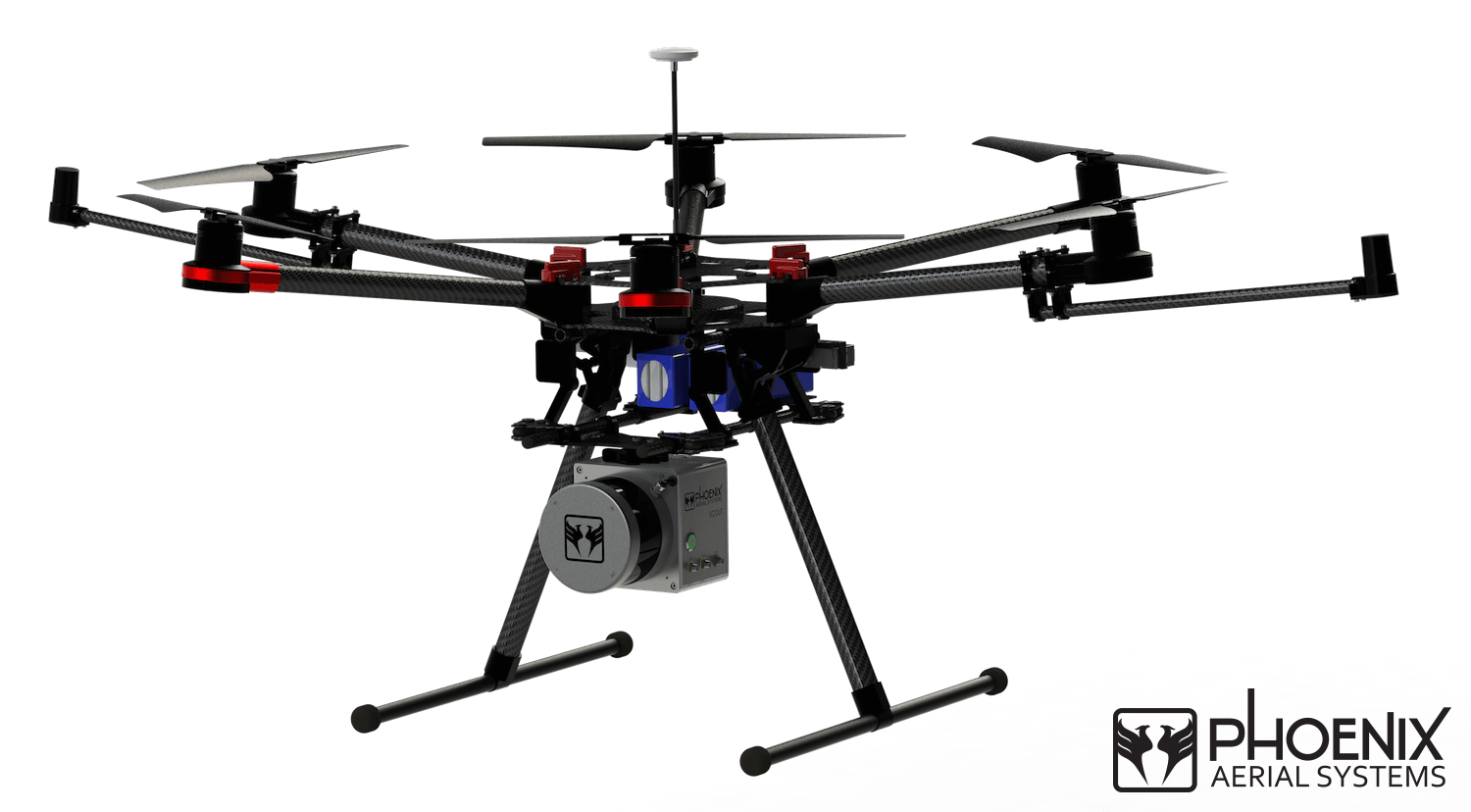
Canada created a new medium-sized RPAS category covering drones from 25kg to 150kg. Qualified operators can now fly BVLOS over sparsely populated areas, defined as 5-25 people per square kilometre, at low altitude in uncontrolled airspace. They don’t need a Special Flight Operations Certificate. Most of the new rules took effect November 4, 2025.
What changed in Canada’s drone rules?
Transport Canada created a new category for medium-sized remotely piloted aircraft systems, covering drones between 25kg and 150kg. That’s well above the 25kg ceiling that previously defined the top of the standard drone categories. That size range opens the door to genuinely industrial-scale drones operating under routine rules rather than one-off special approvals.
What does “sparsely populated” actually mean here?
Transport Canada defines it precisely: more than 5 but not more than 25 people per square kilometre. Drones weighing 250g up to 150kg can fly BVLOS in unpopulated and sparsely populated areas, below 400 feet above ground level, in uncontrolled airspace. They don’t need a Special Flight Operations Certificate, or SFOC — the case-by-case approval BVLOS flights previously needed.
What certification does a pilot need?
Canada’s new Level 1 Complex (LC1) certification tier is built for lower-risk BVLOS operations in remote or sparsely populated areas. To qualify, a pilot must be at least 18. They need to pass a new online exam for Advanced and Level 1 Complex operations, complete at least 20 hours of ground school, and pass a flight review.
When did this take effect?
Some provisions came into force April 1, 2025. The bulk of the new framework applies starting November 4, 2025. By mid-2026, this is the operative rulebook for medium-sized BVLOS operations in Canada, not a pending proposal.
Does the operator need anything beyond a pilot certificate?
Yes. The pilot’s Level 1 Complex certificate covers the person flying the aircraft. Separately, the company or organization running the flight needs its own RPAS Operator Certificate, or RPOC. That certificate requires documented safety policies and procedures, scaled to how complex the operation actually is. The two requirements stack. A certified pilot working for an uncertified operator still can’t legally fly BVLOS under this category.
Sources: Transport Canada, Miller Thomson legal analysis.